Home / Electrical Panel Upgrade Services in Centennial CO
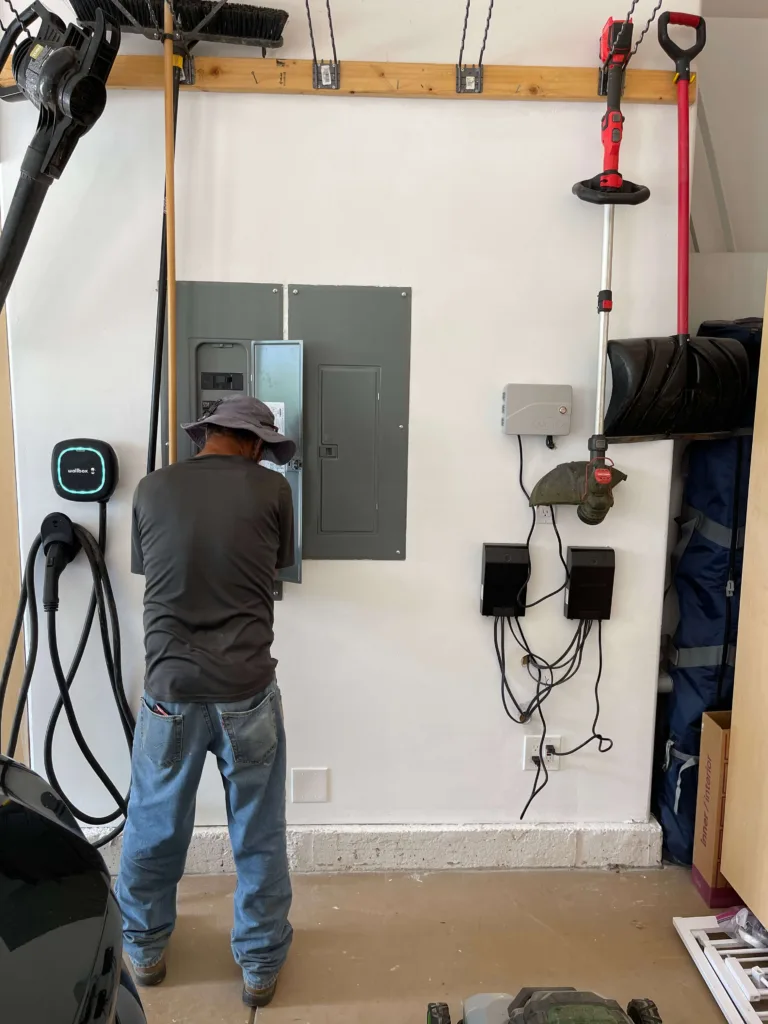
The electrical panel is where modern convenience meets real safety, and an overloaded or outdated panel can limit the whole property. For Centennial homes and businesses, electrical panel work should be handled with clear diagnosis and a plan that fits the space. We look at the circuit, device, panel, load, access, and customer priority so the recommendation is understandable and safe.
Our electricians work across the Denver Metro area with a focus on safe service, clear explanations, and electrical solutions that fit the property rather than a generic checklist. A repair in an older home, an installation in a newer garage, and a project inside an active business all require different judgment.
We want the finished work to solve the actual problem. That is why we pay attention to circuit behavior, device condition, panel space, and whether the same issue has happened before. In Centennial, that can mean paying attention to property age, access, remodel history, garage use, outdoor exposure, or equipment demands.
For this type of work, we commonly look at details such as a remodel that requires better circuit organization or breakers that trip under normal household loads. Those examples are different on every property, which is why we test, verify, and explain before we make the final repair or installation recommendation.
A good result starts with the details that are easy to overlook. In Centennial, we consider panel condition, breaker space, future loads, labeling, grounding, and inspection needs so the finished work is safer, easier to understand, and more useful after we leave. That matters in an area with mature neighborhoods, home offices, finished basements, attached garages, and well-kept suburban properties.
Before the work becomes a quote or repair plan, we narrow down what the system is actually doing. For Centennial properties, that often means reviewing panel condition, breaker space, future loads, labeling, grounding, and inspection needs, plus the way the space is used each day and explaining which details affect safety, convenience, or capacity.
Before the work becomes a quote or repair plan, we narrow down what the system is actually doing. For Centennial properties, that often means reviewing panel condition, breaker space, future loads, labeling, grounding, and inspection needs, access to the work area, and any future electrical plans and explaining which details affect safety, convenience, or capacity. That matters in an area with mature neighborhoods, home offices, finished basements, attached garages, and well-kept suburban properties.
Our typical process is to listen first, inspect what is accessible, test the affected equipment or circuit, explain the choices, and complete the approved work neatly. The finished work should not only function correctly; it should also be easy to understand, maintain, and build on later.
Centennial homes often combine mature neighborhoods with newer upgrades, finished basements, home offices, and attached garages. We plan around everyday comfort, safe capacity, and neat work that fits the expectations of well-kept suburban properties. We keep the conversation tied to real property conditions so the recommendation stays useful.
For this electrical panel upgrade request in Centennial, the local details matter because the area includes mature neighborhoods, home offices, finished basements, attached garages, and well-kept suburban properties. We plan the visit around creating safer capacity for modern loads instead of simply adding breakers to a crowded panel. That means we are not only looking at the named service; we are also checking how the circuit, panel, device location, access, and daily use fit together.
Useful next reads include our full electrical services, residential electrician services, emergency electrician support, and electrical FAQ page.
Before the work becomes a quote or repair plan, we narrow down what the system is actually doing. For Centennial properties, that often means reviewing panel condition, breaker space, future loads, labeling, grounding, and inspection needs and explaining which details affect safety, convenience, or capacity.
For safety and code context beyond this page, see NFPA electrical safety in the home, U.S. Fire Administration appliance and electrical fire safety guidance, Colorado State Electrical Board, and Colorado electrical and plumbing permit information.
We keep the visit focused by tying the customer’s concern to the actual electrical conditions on site. On a electrical panel work call in Centennial, that means weighing panel condition, breaker space, future loads, labeling, grounding, and inspection needs, plus the way the space is used each day before we decide whether the right step is repair, replacement, installation, or further troubleshooting. That matters in an area with mature neighborhoods, home offices, finished basements, attached garages, and well-kept suburban properties.
A panel upgrade can support more than one project. EV charging, remodeling, larger appliances, HVAC changes, and finished basements can all influence the right panel plan.
If the work involves a business or shared property, we also suggest identifying who can approve the scope, who can provide access, and what hours are least disruptive. Clear access planning helps keep the service organized.
Before the work becomes a quote or repair plan, we narrow down what the system is actually doing. For Centennial properties, that often means reviewing panel condition, breaker space, future loads, labeling, grounding, and inspection needs, access to the work area, and any future electrical plans and explaining which details affect safety, convenience, or capacity.
Every property gives us a slightly different starting point. With electrical panel work in Centennial, we use panel condition, breaker space, future loads, labeling, grounding, and inspection needs to shape a scope that is practical, code-aware, and clear for the customer. That matters in an area with mature neighborhoods, home offices, finished basements, attached garages, and well-kept suburban properties.
We keep the visit focused by tying the customer’s concern to the actual electrical conditions on site. On a electrical panel work call in Centennial, that means weighing panel condition, breaker space, future loads, labeling, grounding, and inspection needs, plus the way the space is used each day before we decide whether the right step is repair, replacement, installation, or further troubleshooting.
A good result starts with the details that are easy to overlook. In Centennial, we consider panel condition, breaker space, future loads, labeling, grounding, and inspection needs, access to the work area, and any future electrical plans so the finished work is safer, easier to understand, and more useful after we leave. That matters in an area with mature neighborhoods, home offices, finished basements, attached garages, and well-kept suburban properties.
Before we recommend a final scope for electrical panel upgrade in Centennial, we make sure the work matches the property rather than forcing the customer into a preset answer. Our review centers on creating safer capacity for modern loads instead of simply adding breakers to a crowded panel, with enough explanation for the customer to understand why the repair, replacement, installation, or next step makes sense.
Every property gives us a slightly different starting point. With electrical panel work in Centennial, we use panel condition, breaker space, future loads, labeling, grounding, and inspection needs to shape a scope that is practical, code-aware, and clear for the customer.
Q: How do I know if my electrical panel needs replacement?
A: Common signs include frequent breaker trips, corrosion, heat, buzzing, limited breaker space, outdated equipment, or new loads the panel cannot safely support. When local permits or inspections apply, we discuss that before the project moves forward.
Q: Will the power be off during the work?
A: Panel replacement usually requires a planned outage. We explain the schedule and work to keep the process organized. We explain the recommendation in plain language so Centennial customers know what is necessary and what can be planned later.
Q: Do panel upgrades need inspection?
A: Panel work commonly involves permits and inspections. We plan around local requirements so the finished system is safe and code-aware. We explain the recommendation in plain language so Centennial customers know what is necessary and what can be planned later.
Q: Can a panel upgrade help with an EV charger?
A: Often, yes. We evaluate the panel and total load to decide whether an upgrade, new circuit, or different charger configuration is needed. We keep the answer focused on safety first and convenience second.